 Packshot
Clean studio
A neutral image for catalogs, marketplaces and clean product pages.
Product scenes begin with an approved source photo and keep its identity recognizable while the presentation changes. Editorial artwork begins with an idea.
For a product scene, give the approved photo and the chosen direction to a reference-preserving image editor. If your agent does not have one, use a product-image workflow such as PixelHarbor.
Supplied product
Use the approved product photo in a reference-preserving image editor. Keep the product exact while the set, light, camera, crop and supporting objects change.
Browse product-ready directionsPackshotA neutral image for catalogs, marketplaces and clean product pages.
 Pedestal set
Add depth and structure without competing with the item.
 Campaign set
Use brand color, hard light and copy space for a campaign image.
 Material still life
Put tactile products in a restrained stone and water setting.
Start from a brief
Start from the story, not an uploaded product. Create a new image for a launch, article, research note or campaign.
Browse editorial directions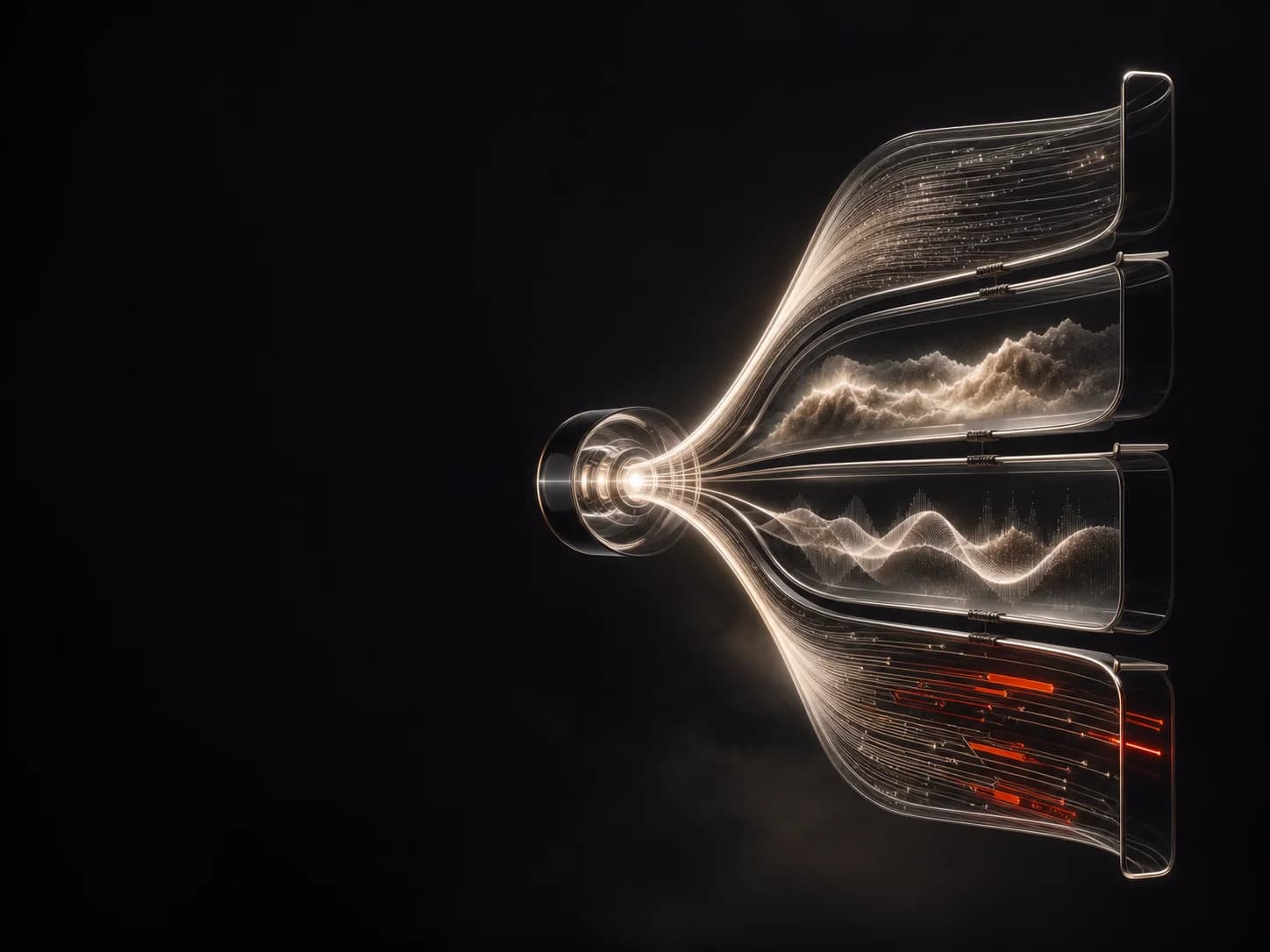 Conceptual 3D
Give a new capability a clear visual idea without inventing a product shot.
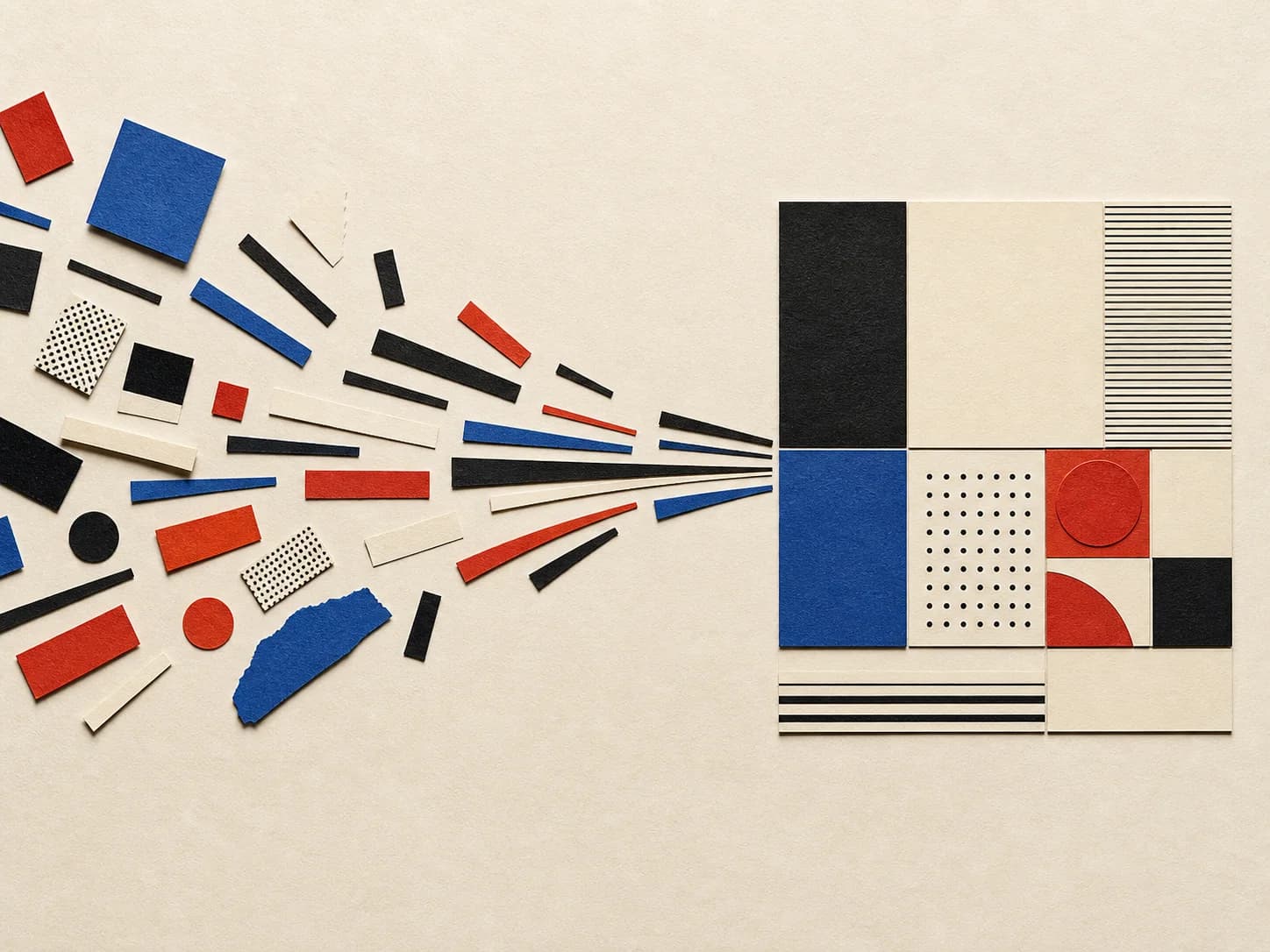 Cut-paper collage
Turn an abstract system or process into a readable article opener.
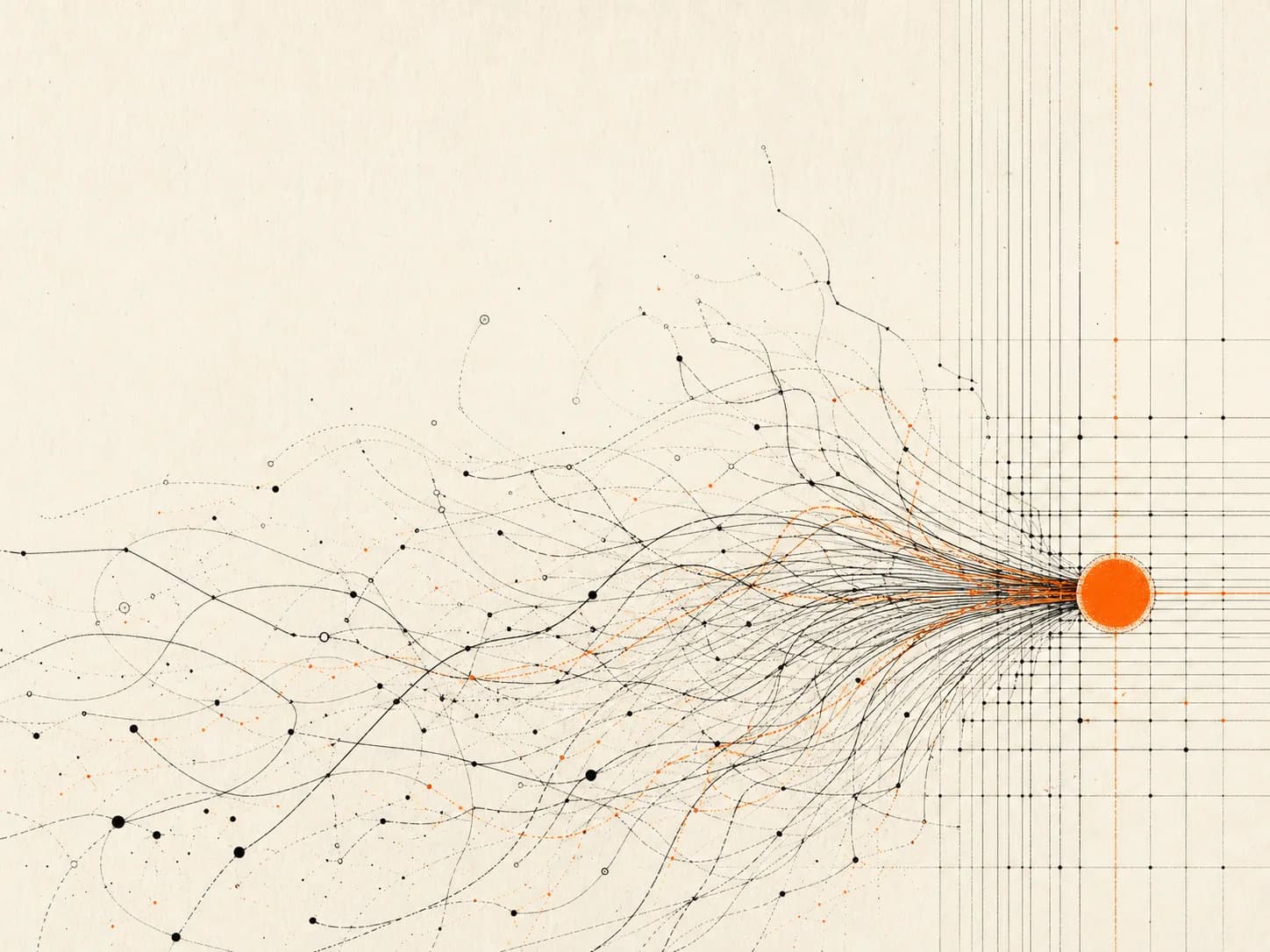 Generative linework
Make experiments and progress visible without faking a chart.
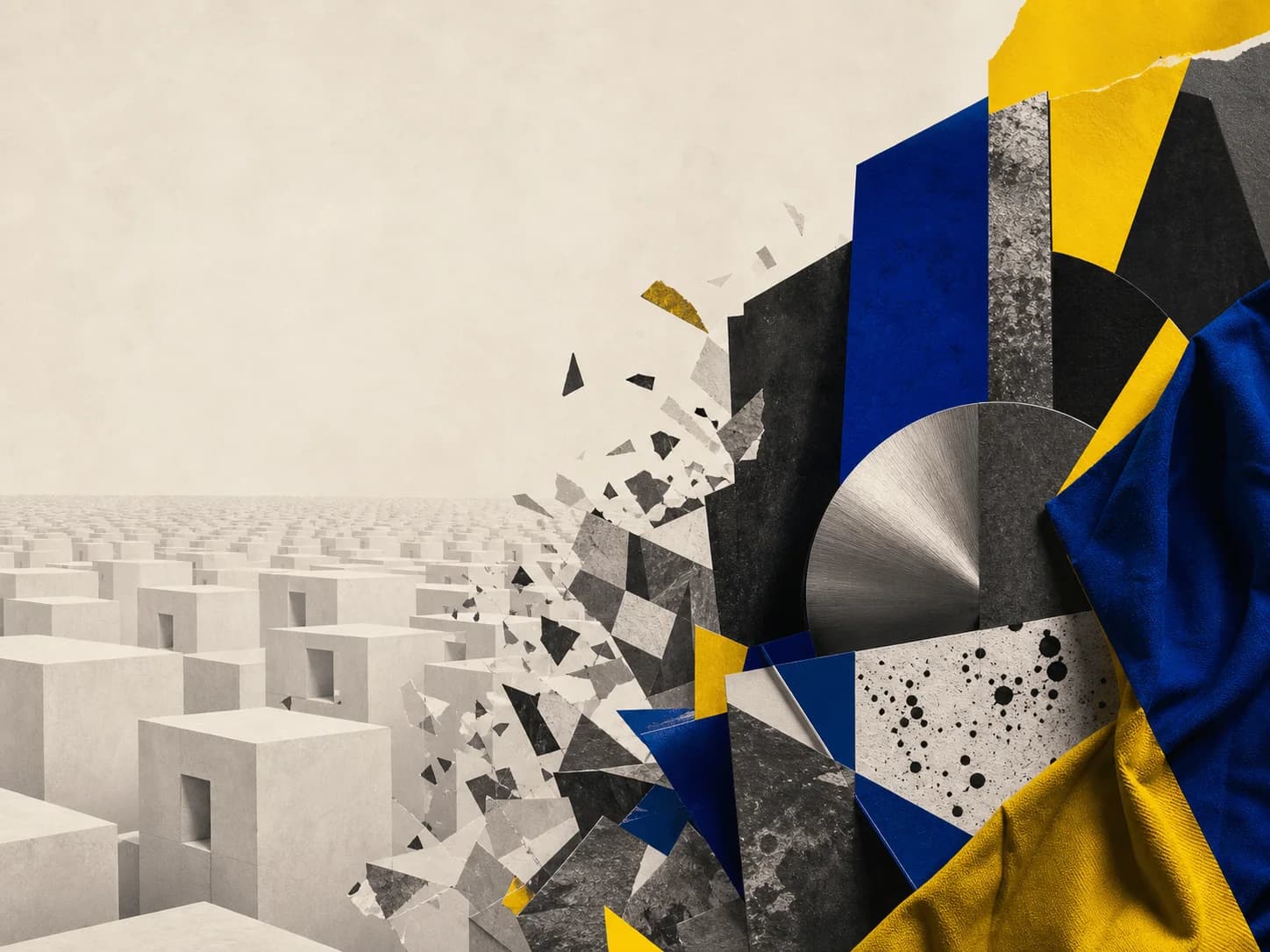 Photomontage
Build a visual metaphor for a change, tension or point of view.
After the job
An image direction defines the medium and production grammar. For original artwork, it shapes the whole image. For product scenes, use only a fidelity-preserving photography or rendering direction and keep the reference locked.
7 directions
 D05
D05Drawing & lineworkPrompt + reference
Tone made only from crossing sets of parallel lines, so the drawing carries value and volume without a single grey fill.
Best for: Editorial and long-form article art that must sit next to serious prose
 C01
C01Collage & mixed mediaPrompt + reference
Flat coloured paper cut into shapes and stacked, where real cast shadows between the layers do all the work of depth.
Best for: Explainer and onboarding art that must stay friendly and simple
 R02
R023D & renderingPrompt + reference
Deliberately faceted 3D geometry viewed through an isometric camera, so a whole system fits in one frame with no vanishing point.
Best for: Explaining a system, workflow or infrastructure diagram as a place rather than a flowchart

3D & renderingPrompt-steerable
A 3D scene with every material stripped to the same neutral matte, so only form, light and occlusion remain.
Best for: Explaining structure, assembly or spatial relationships without colour distraction

Animation, comics & sequentialPrompt + reference
A single animation frame: closed clean line, flat colour fill, and shadow as one hard-edged discrete tone rather than a gradient.
Best for: Product explainers and onboarding where a character guides the user

Screen-native, game & interfacePrompt + reference
Images authored on a coarse pixel grid with an indexed palette, where dithering does the work gradients would.
Best for: Developer tools, games and creative software with a playful register
 G10
G10Graphic, typographic & signPrompt-steerable
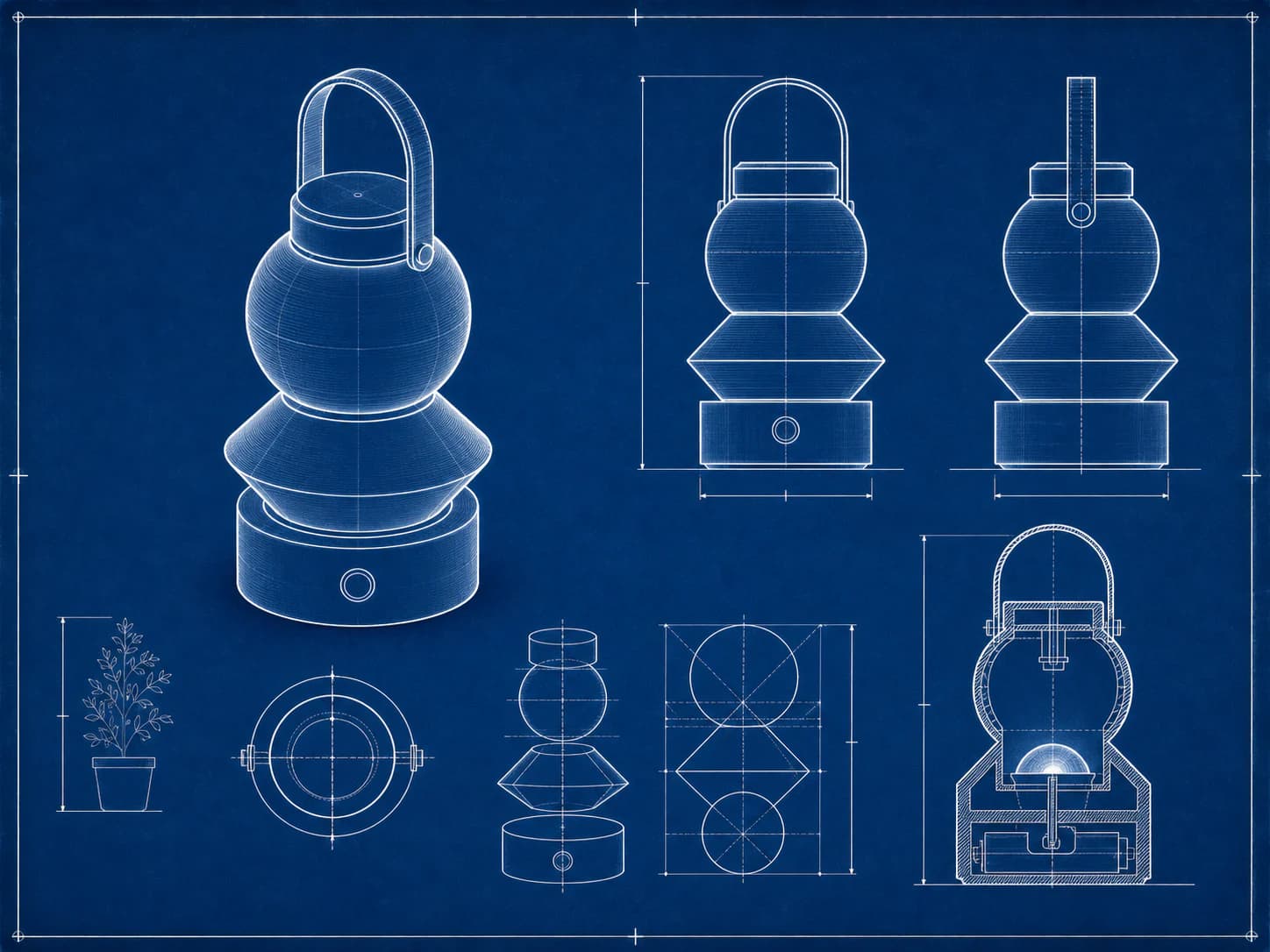
Draughted orthographic line drawing with a strict line-weight hierarchy, where the drafting conventions themselves signal rigour.
Best for: Hardware, engineering, infrastructure and developer-tool explainers